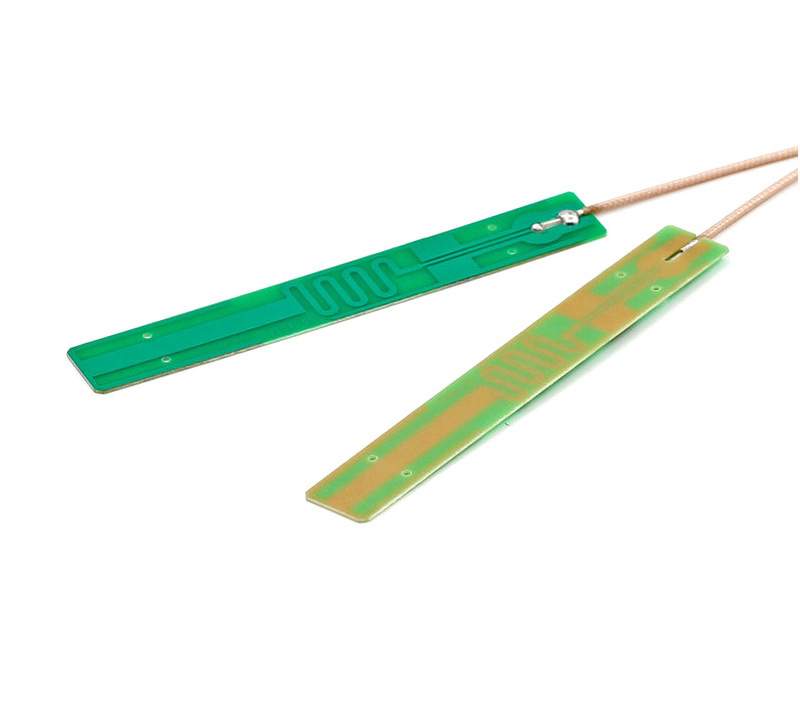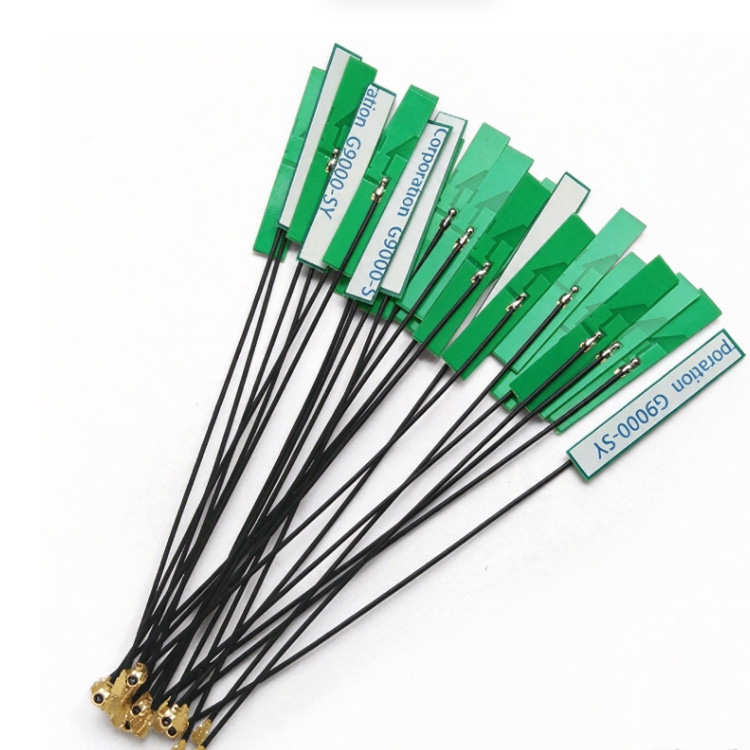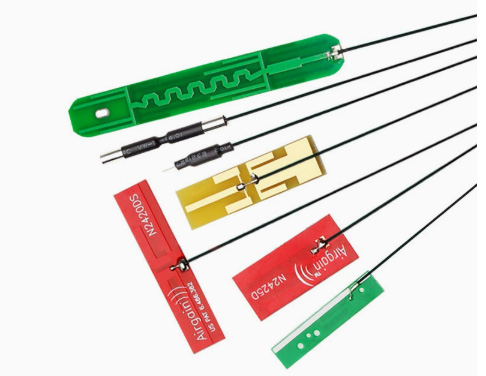

About the gps antenna selection guidance:
Satellite navigation and positioning technology serves as a core foundational support for the digital society, the Internet of Things, intelligent driving, geodetic surveying and mapping, national defense, civilian livelihood and other fields. Much like water and electricity, it has permeated all aspects of production and daily life, acting as a critical link bridging the physical world and digital space.
As the key hardware determining positioning accuracy and signal stability, choosing for GPS antenna selection has become an essential part of navigation system design. Selecting the best passive gps antenna according to actual application scenarios can effectively optimize satellite signal reception, avoid signal attenuation and interference, and further ensure the high‑precision and stable operation of various satellite positioning equipment in complex working environments.
Active vs Passive gps Antenna Selection Guide
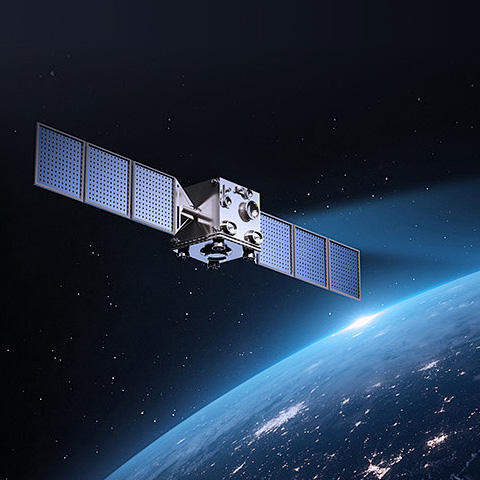
In the 21st century, antennas have become an indispensable part of daily life. An antenna is a device used to transmit and receive radio waves; it acts as a bridge between us and the wireless world, converting electrical signals into electromagnetic waves—or vice versa. That is why careful gps antenna selection matters for navigation and positioning projects, because without antennas, wireless communication would be impossible.
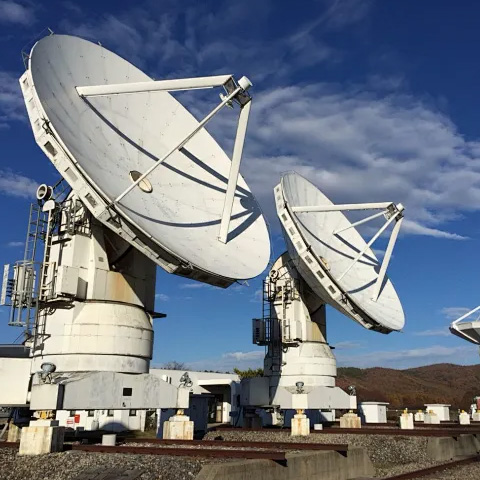
1.Radar Parabolic Dish Antenna
- Applications: Millimeter‑wave radar equipment, outdoor point‑to‑point communication base stations, satellite receiving terminals, detection radars, long‑range 5G backhaul devices
- Features: High gain, strong directivity; parabolic reflector converges electromagnetic waves to form focused beam; supports microwave and millimeter‑wave frequency bands; strong anti‑interference capability; mostly externally mounted with relatively large size.
- Use cases: Long‑distance point‑to‑point wireless communication, satellite signal reception, security detection radar, millimeter‑wave speed‑measuring radar, outdoor long‑range signal backhaul and signal‑boosting scenarios.
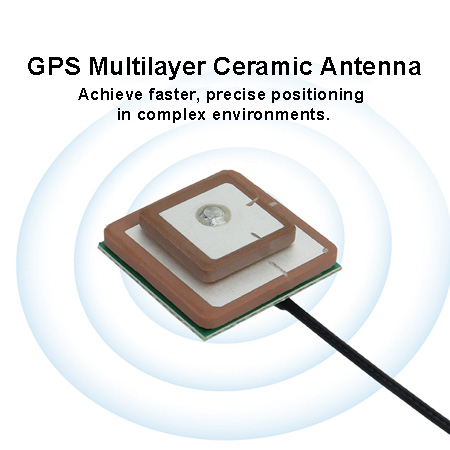
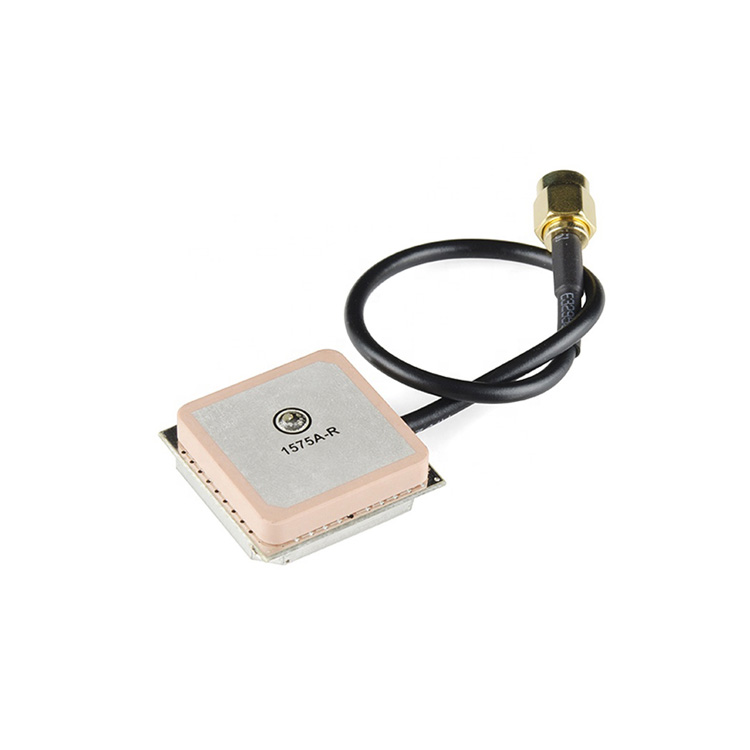
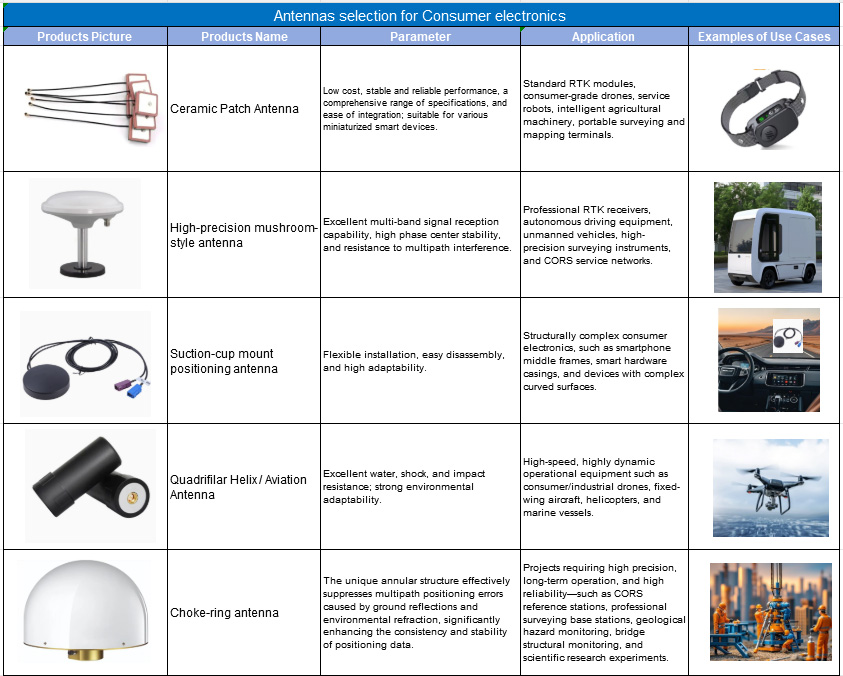
Ceramic Patch Antenna
- Applications: RTK modules, drones, robots, smart agricultural machinery, surveying and mapping terminals
- Features:Low‑cost, stable performance, easy for integration;
- Common dimensions:15×15mm, 18×18mm, 25×25mm, 35×35mm, 50×50mm, 60×60mm
- Use cases: Surveying & exploration, unmanned vehicles, autonomous driving, high‑precision RTK projects

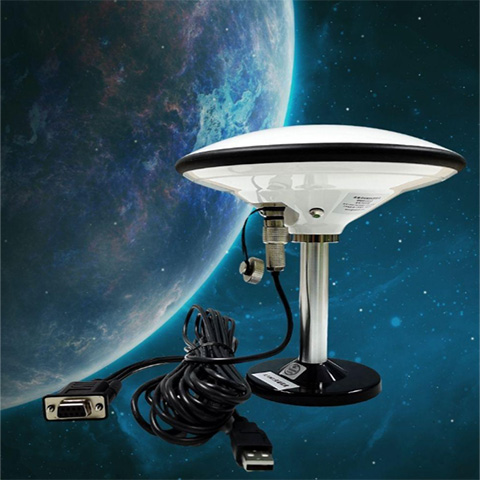
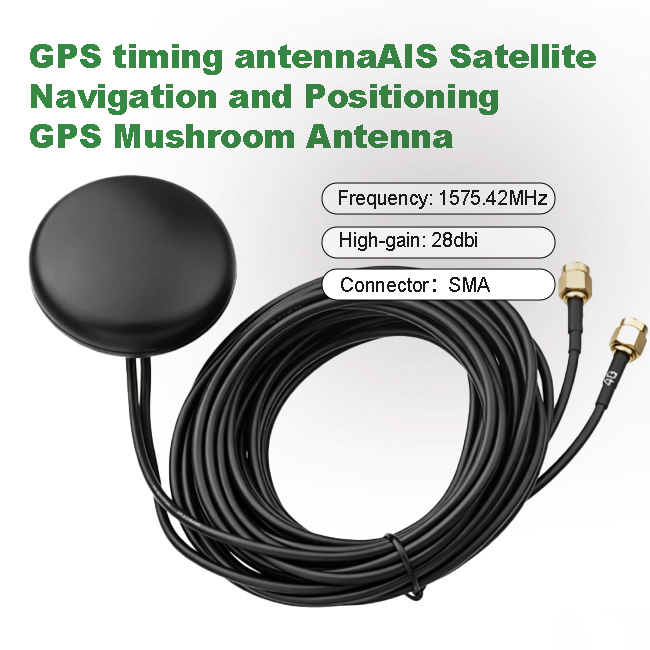
Magnetic‑mount Positioning Antenna
- Applications: Vehicle‑mounted positioning terminals, mobile surveying‑mapping equipment, vehicle RTK devices
- Features: Magnetic suction mounting, easy installation & removal, widely adapted for vehicle‑mount scenarios
- Use cases: Various vehicle‑mounted positioning applications, mobile vehicle positioning terminals
Aviation Quadrifilar Helix Antenna
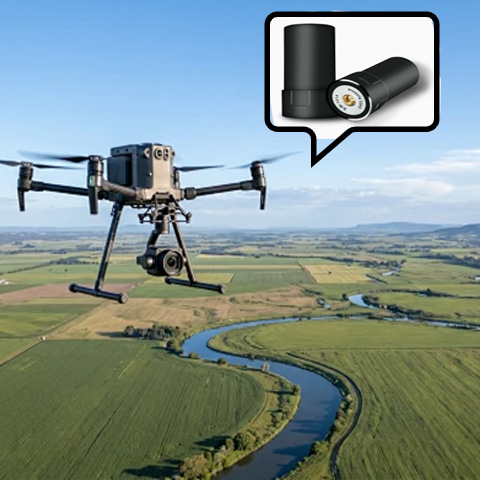
- Applications: Aviation equipment, high‑speed moving carriers, drones, high‑dynamic positioning terminals
- Features: Optimized aerodynamic profile, outstanding waterproof and shock‑resistance performance, stable positioning performance under high‑dynamic conditions
- Use cases: For high‑dynamic operating environments such as aviation and high‑speed movement