
A picture shows you the types of antennas
A communication antenna is a device for transmitting and receiving electromagnetic waves in free space.
Today, we use a picture to show you the common types of antennas. This picture displays 10 types of antennas, including Sector antenna, Omnidirectional antenna, Microwave antenna, Massive MIMO antenna, Panel antenna, Butterfly antenna, Small cell antenna, Indoor antenna, Yagi antenna, and GPS antenna.
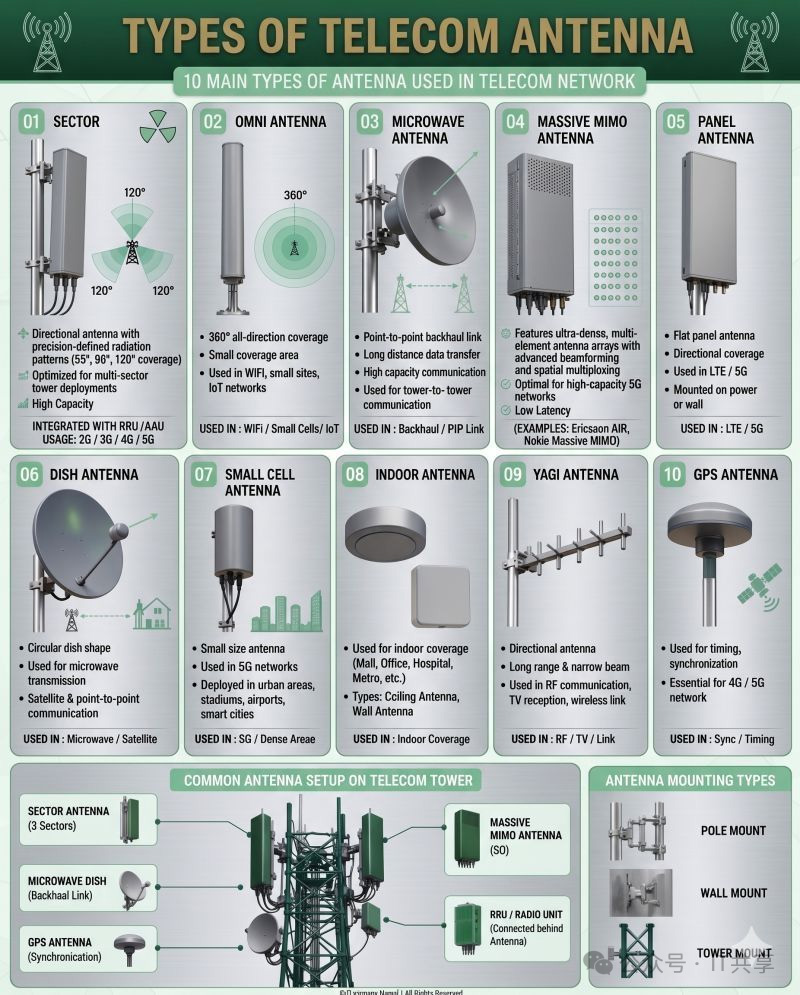
The sector antenna is usually deployed on cell towers, providing targeted coverage within a specific angle. Common beam‑widths are 120°, 90°, or even narrower, and it is suitable for 2G, 3G, 4G and 5G cellular networks.
The omnidirectional antenna can achieve 360° comprehensive coverage. It is usually applied for Wi‑Fi, Small cell and IoT scenarios.
The microwave antenna and butterfly antenna are mainly used for point‑to‑point transmission, such as backhaul links or satellite communication between stations, suitable for long‑range and high‑capacity data transmission.
The Massive MIMO antenna is a key device in 5G cellular networks. It integrates a large number of antenna elements internally and can improve network capacity and coverage capability through beamforming, which is suitable for high‑density and high‑traffic areas.
The panel antenna features a flat and slim appearance, supporting directional coverage for both LTE and 5G networks. It is widely installed on towers, walls and utility poles for stable outdoor directional signal coverage.
The small cell antenna boasts a compact and miniaturized structure. It is commonly deployed in dense urban scenarios including urban hotspots, stadiums, airports and commercial districts, serving as an auxiliary device to supplement network coverage and improve overall system capacity.
The Yagi antenna is a highly directional antenna with a narrow beamwidth. It is mainly adopted for wireless link transmission, television signal reception and directional communication services that require precise signal orientation.
GPS antennas focus on time timing and network synchronization functions, which are indispensable in 4G and 5G communication networks. They ensure accurate time synchronization between base stations, guaranteeing the stable and efficient operation of the entire communication system.
To sum up, different types of antenna have their unique functional advantages and applicable scenarios. The collaborative deployment of these antennas realizes full‑scene coverage from indoor to outdoor, short‑range coverage to long‑distance transmission, and basic signal coverage to precise network synchronization, forming a complete and reliable 4G/5G wireless communication system.
Related Antenna Products
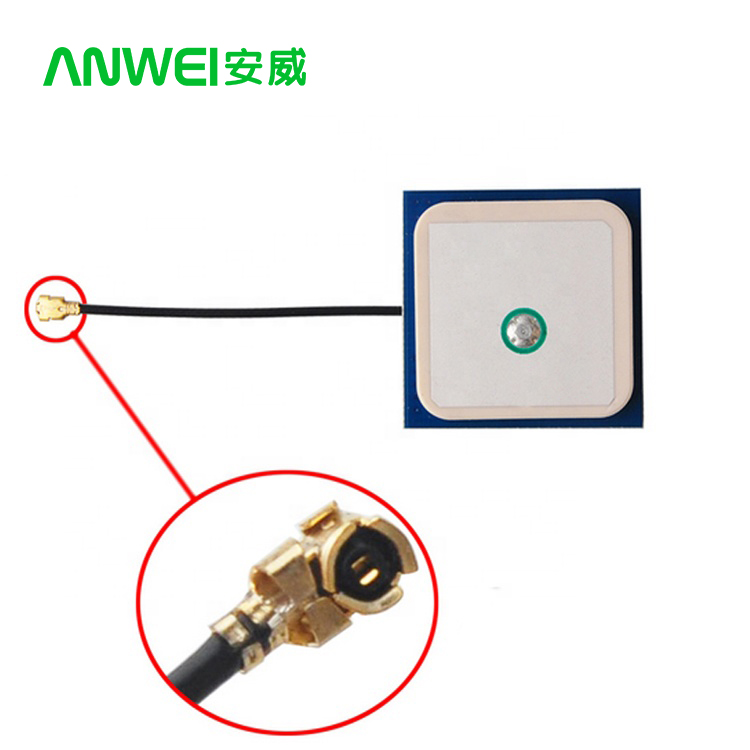
GPS ANTENNA
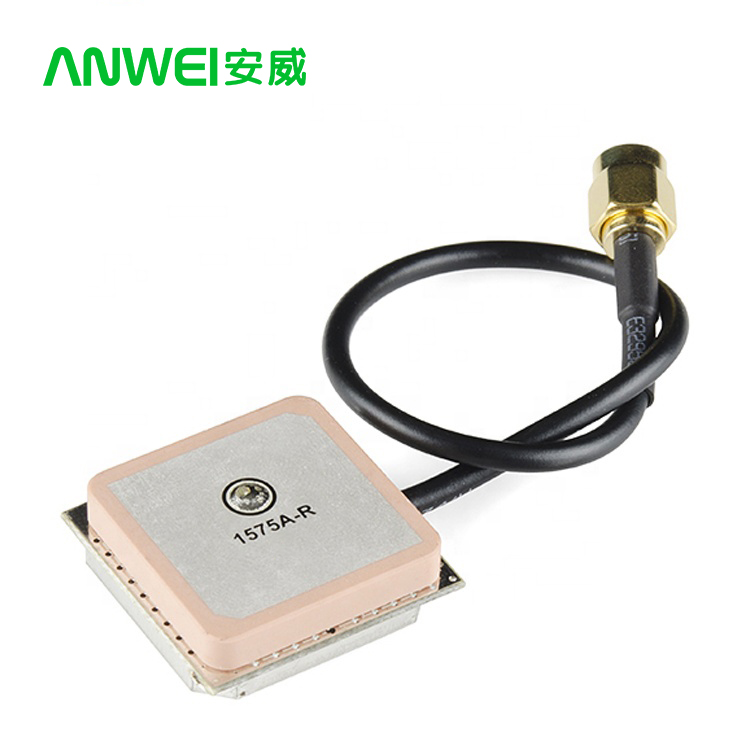
L1 L5 ANTENNA
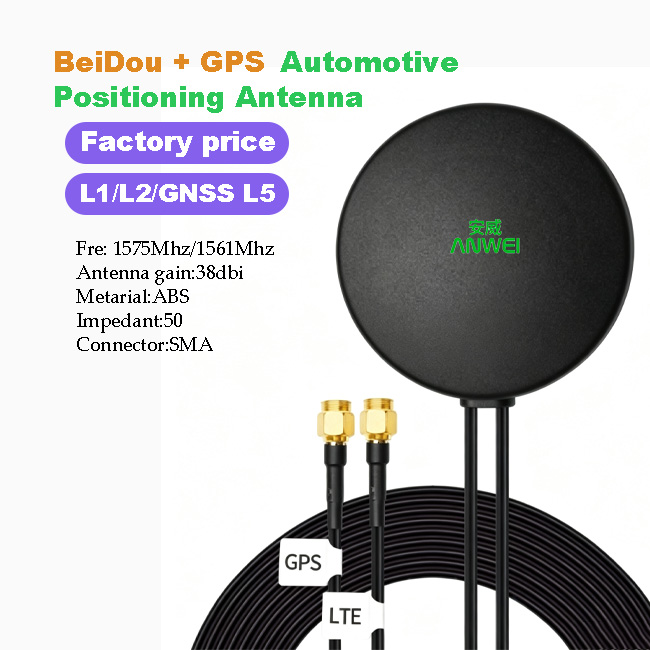
Vehicle Antenna
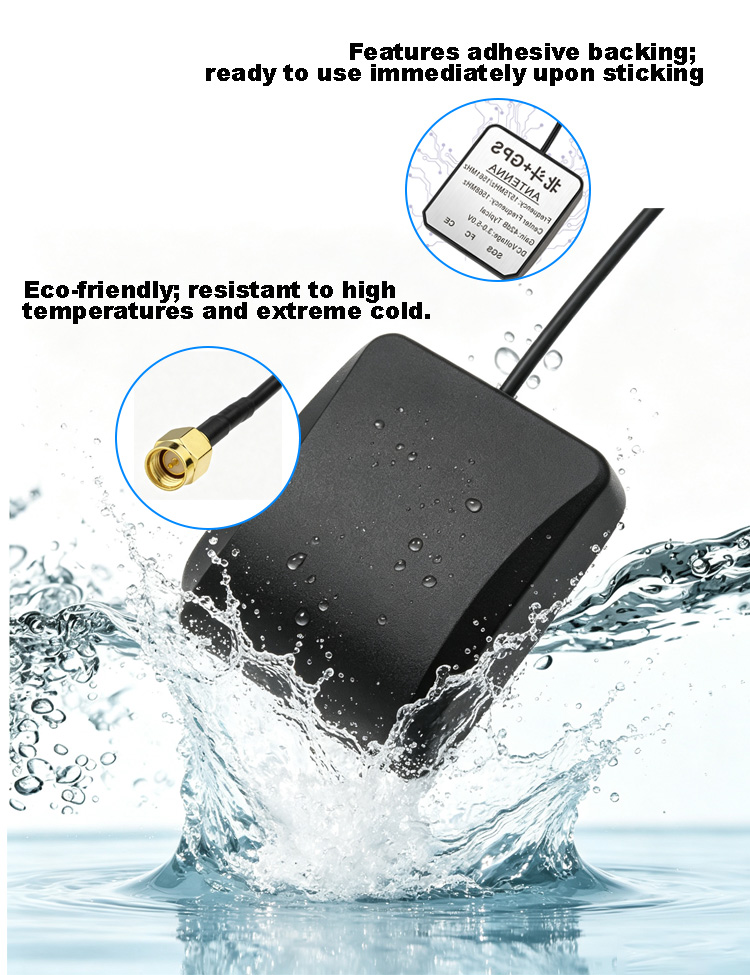
Vehicles GPS Antenna